Article: How to choose the perfect fox fur coat
How to choose the perfect fox fur coat
The fox fur coat is one of the most coveted pieces in luxury furwear. Its volume, texture, and the way it catches the light give it a striking presence, but it is also a demanding purchase: choosing the wrong model can ruin the investment. In this guide, we explain step by step what to look for to choose a fox fur coat that will last for decades and flatter your figure.
What makes fox fur coats so special
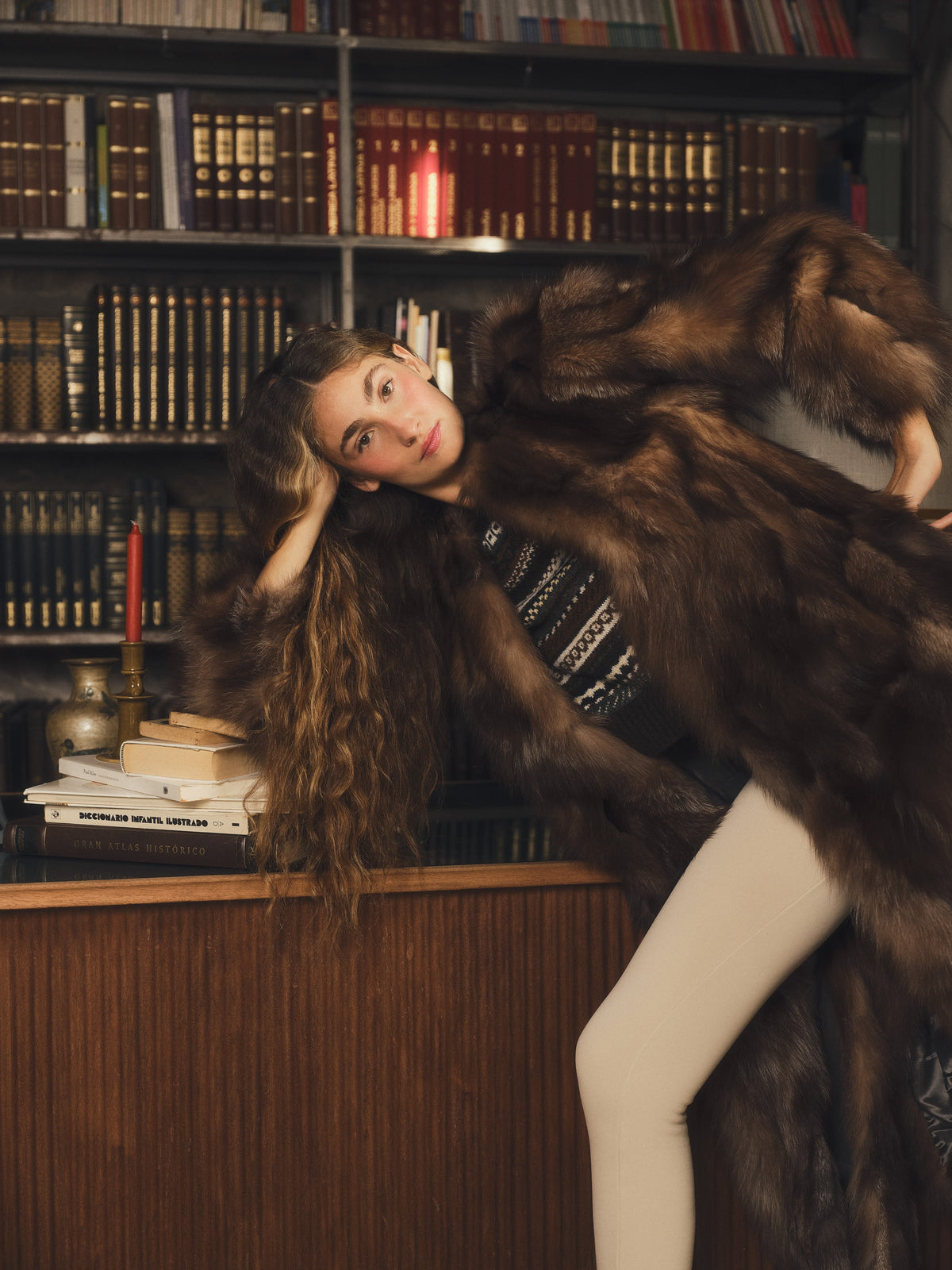
Fox fur, along with mink, is one of the most widely used furs in haute furwear. Unlike other short-haired furs, fox stands out for its long, silky, two-layered fur: a dense undercoat that provides warmth and a glossy outer layer that gives it its characteristic wavy movement. This is why a fox coat weighs less than it looks and is so warm, even in shorter styles.
There are several commercial types of fox fur. The most common are silver fox, blue fox, red fox, and crystal fox, each with different shades, densities, and prices. Saga Furs, the leading Nordic fur auction house, grades quality annually and publishes the official grades later used by the fashion houses of Paris and Milan.
Types of fox coats: which one suits your style
Long fox coat
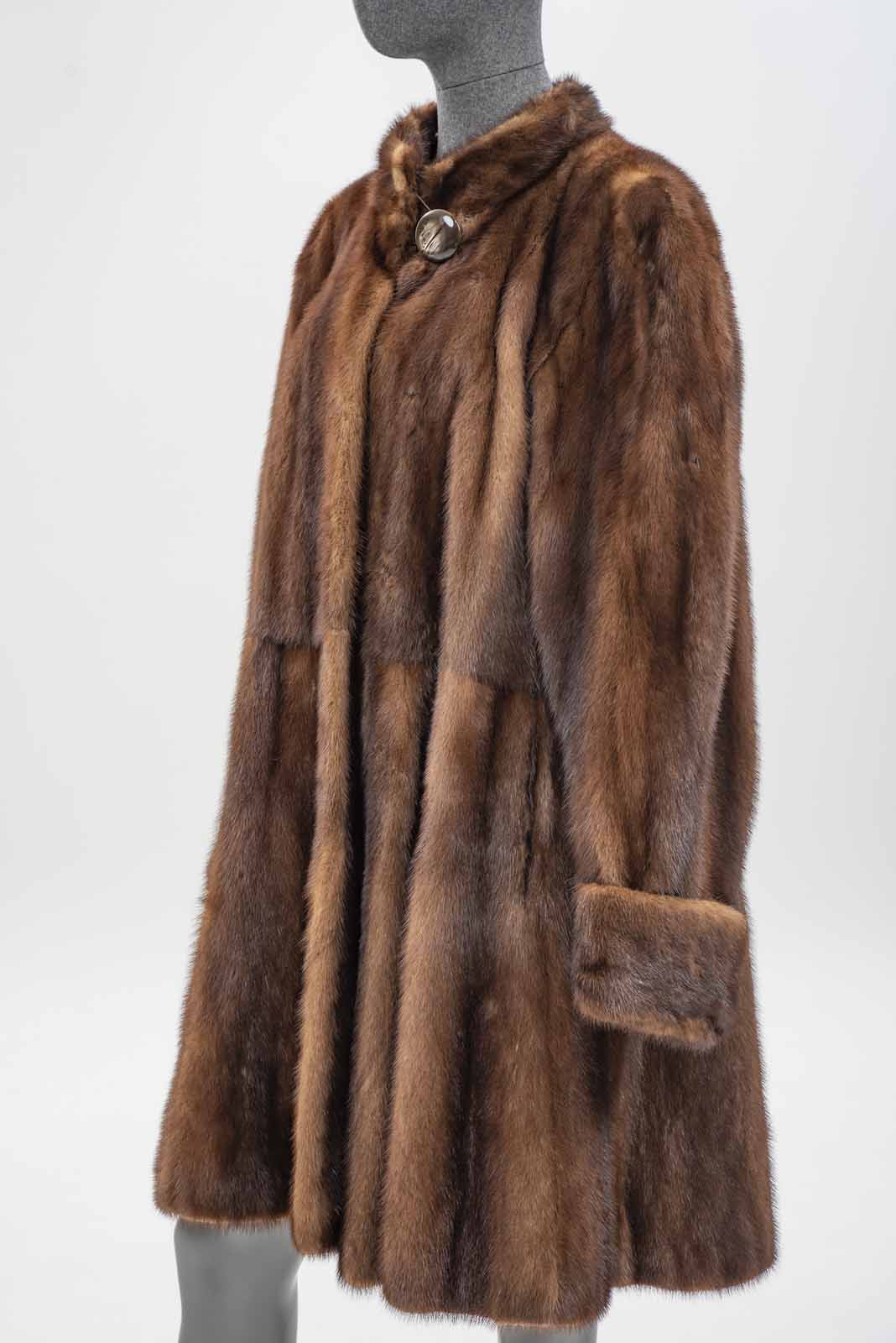
This is the most spectacular style. It falls below the knee and is usually constructed with full pelts or vertical let-out to create a slimming effect. It is the classic choice for evening events and an excellent investment piece. In the Nomadi catalog, the ASPEN model exemplifies this category: a long fox fur coat in patchwork with a detachable collar, allowing it to be worn with either a box collar or a fur lapel.
Fox fur jacket
More versatile than a long coat, it falls to the hip or thigh and can be paired with jeans, tailored trousers, or midi dresses. Models such as ST. MORITZ and MEGÈVE showcase the two ways a jacket can be styled: one more bohemian with fox fur patchwork, the other more glamorous with crystal fox fur in a herringbone let-out.
Vests and mixed-media garments
If you have never worn fur before, a vest is the most sensible entry point. It provides the visual effect of fox fur without the warmth or cost of a full coat. You can explore the natural fur vest collection to see how fox fur is incorporated into more urban garments.
The six points to check before buying
- Fur density. Gently blow on the garment. The fur should part and close again without revealing any bare leather. If you see "bald patches," the fur is of inferior quality or has been plucked.
- Shine and color uniformity. Good-quality fox fur reflects light naturally, without dull patches or obvious dyeing. Discoloration in certain areas indicates poorly selected patchwork.
- The finish of the inner leather. Ask to see the inside. It should be flexible, free of cracks, and have fine, even stitching. Stiff leather is the first sign of poorly tanned fur that will split within a few years.
- "Let-out" or vertical construction. Premium garments are crafted in narrow vertical strips (the let-out technique) that flatter the figure. Low-cost models usually feature large rectangular panels, which are less flattering and less durable.
- Lining and weight. A good fox coat weighs between 1.5 and 3 kg, depending on its length. If it weighs less than expected, the fur may be sparse or the leather may have been overstretched; if it weighs too much, check that the lining and interfacings are not compensating for poor-quality fur. Also check that the shoulder pads and seams do not pull when you put on the garment.
- Origin and traceability. Ask about the origin of the fur and the labels or documentation that accompany the garment. A reputable furrier should be able to tell you the type of fox and the auction house it came from, as is the case with any high-end fox fur coat.
How to care for your fox fur coat
Once you have made the right purchase, proper care makes the difference between a garment that lasts one season and one that is passed down through generations. Always store it in a breathable cotton garment bag, never in plastic, and in a cool, dry wardrobe away from direct sunlight, which dulls the fur's shine. Avoid spraying perfume directly on it and do not hang it on thin hangers that will deform the shoulders. If it gets wet, let it air-dry away from radiators and gently shake it so the fur regains its volume. Once a year, have it professionally cleaned by a fur specialist to maintain the leather's flexibility and the fur's silkiness. With these simple steps, your fox fur coat will retain its striking presence for years.
In short, choosing well means first deciding on the style that best suits your lifestyle—a long coat, jacket, or vest—and then evaluating density, shine, leather, construction, and weight. If you have any doubts, seek advice from specialists and always prioritize the quality of the fur over the price: it is the only way to make the investment worthwhile.