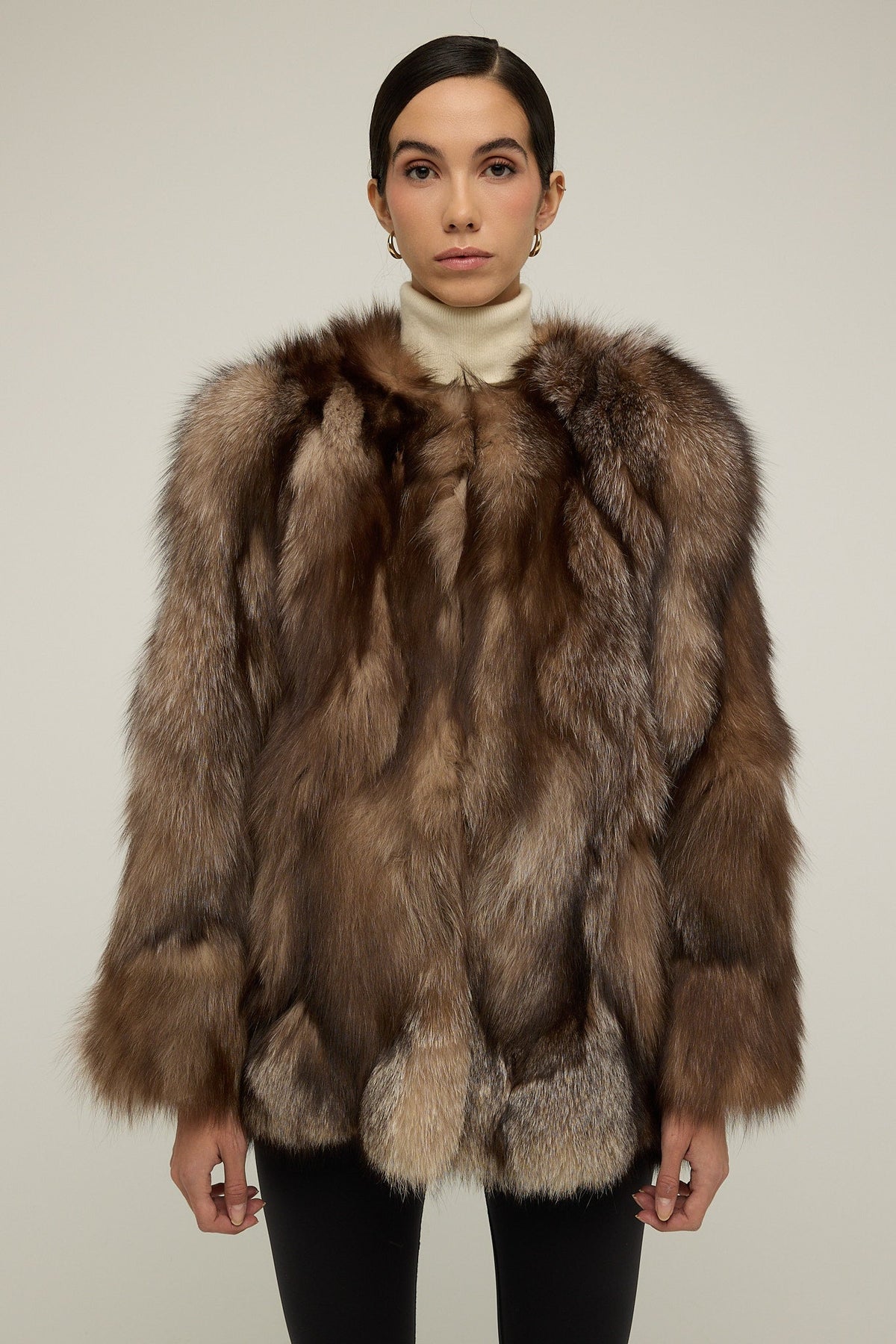
Article: 70s vintage vs. 90s vintage: what to look for in each decade
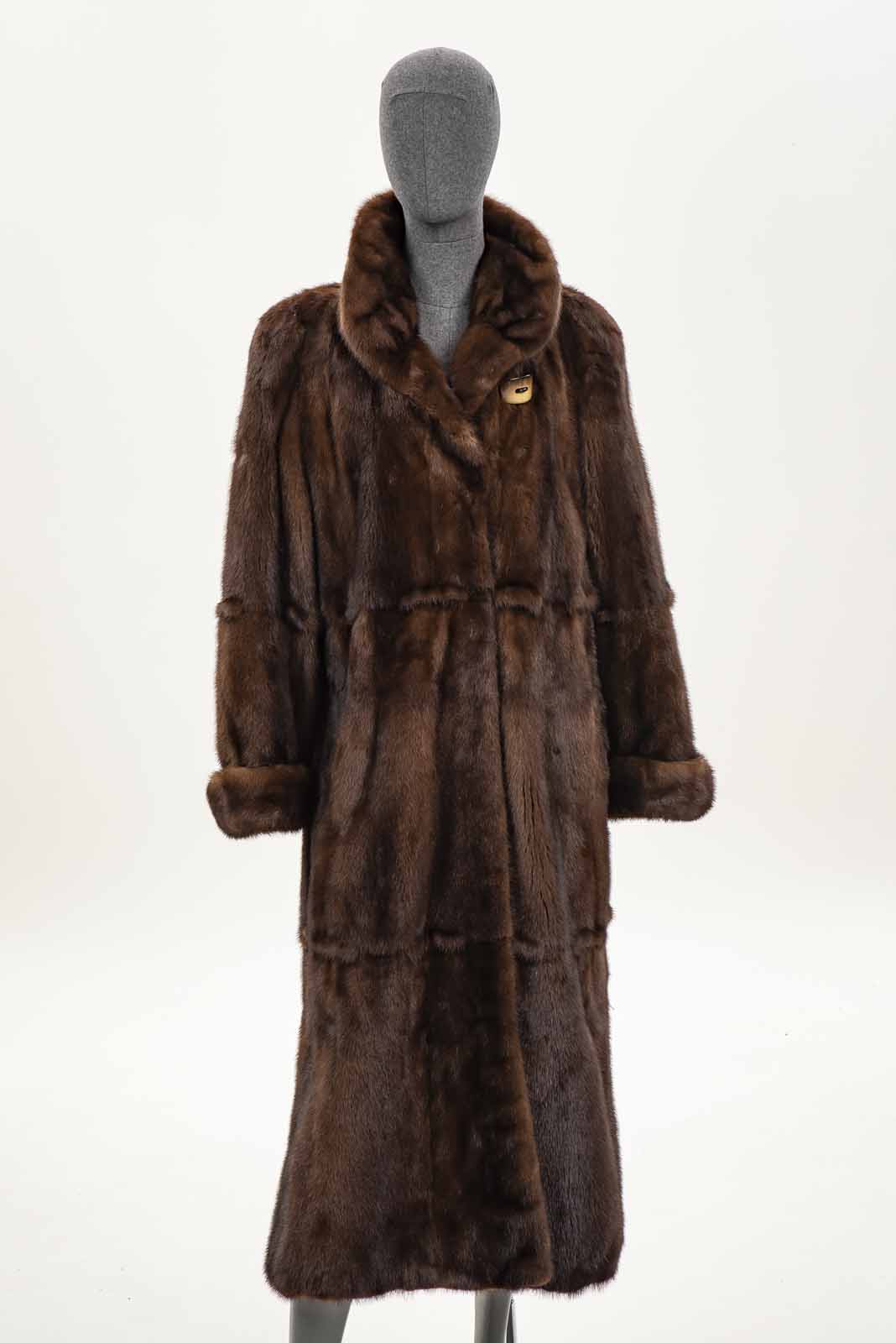
70s vintage vs. 90s vintage: what to look for in each decade
Not all vintage furwear is worth the same, nor does it share the same characteristics. A piece from 1978 and one from 1995 belong to different industrial eras, with different materials, techniques, and standards. If you are going to buy vintage furwear, knowing the particularities of each decade will help you choose the right piece. This guide compares 70s vintage with 90s vintage: two decades that are today the most interesting in the professional second-hand market.
Why compare precisely these two decades
70s and 90s vintage represent the two most interesting poles of the current vintage market:
- The 70s were the era of maximum diversity in furwear. Hippie and bohemian influences, long formats, mixed furs, earthy tones. A lot of production, a lot of variety in quality.
- The 90s are the last great decade of mass professional furwear before the industry's consolidation. Industrial pieces with modern tailoring, high standard qualities, contemporary formats.
In between, the 80s are the "golden age" of classic mink (especially NAFA mahogany), but that decade deserves its own guide. The 70s and 90s offer very clear contrasts.
70s vintage: the bohemian spirit
Typical formats
- Long coats down to mid-calf or the ankle. The maxi-coat was the emblematic format of the decade.
- Oversized jackets. Wider than today's, with marked shoulders.
- Capes and mantles. Very present in formal furwear.
- Embroidery details, fringes, or pieces combined with fabrics. Bohemian influence.
Most common furs
- Demi-buff and mahogany mink (warm tones were kings)
- Black and grey astrakhan (very present, especially in gala pieces)
- Beaver and mink (natural finishes, undyed)
- Lynx and other felines (legal at the time, now regulated; only certified pre-CITES market)
- Red and silver fox (lots of natural presence, without tones created later)
Typical quality
The great advantage of 70s vintage is the quality of the base leather. The auction selection was stricter than today, farms worked with criteria of denser and longer hair. A 70s piece in good condition has superior raw material to an equivalent new piece.
The disadvantage is the tailoring technique: many 70s pieces have less refined seams than contemporary ones, simpler linings, and less polished finishes. The overall result is usually good, but the details betray the era.
What to look for in 70s vintage
- Piece with flexible leather (a sign of good maintenance over 50 years)
- Original or professionally replaced lining (not homemade)
- Shiny fur, not dulled by intensive use
- Original label with atelier identification or brand from the era
- Absence of aggressive modifications (shortened, re-joined)
What to avoid in 70s vintage
- Pieces with extremely wide 70s collars or lapels without the possibility of a discreet modification (they can excessively date the garment)
- Very curly 70s typical astrakhan if your style is contemporary (visually identifiable as vintage)
- Pieces with fringes, embroidery, or applications that are difficult to update
Estimated price
70s vintage in professional furwear: €600-2,500 depending on the piece and species. For long mink in good condition, expect €1,200-2,000. Astrakhan is more affordable (€500-1,000).
90s vintage: the modernity of tailoring
Typical formats
- Shorter jackets and coats. Straight and clean lines, designed for everyday use.
- Straight knee-length coats. More natural shoulders and less volume than in the 70s.
- Versatile formats. Easier to combine with a current wardrobe base.
- Less decorative detail. Sobriety aesthetic, without fringes or period embroidery.
Most common furs
- Mink in standard tones (very present and with a homogeneous selection)
- Astrakhan (especially in formal pieces)
- Fox (frequent in collars and applications)
- Furs with uniform finishes (result of more standardized industrial processes)
Typical quality
The great advantage of 90s vintage is the tailoring: more refined seams, better-executed linings, and polished finishes, very close to what is considered modern. They are pieces with contemporary lines that fit effortlessly into a current look.
The downside is the raw material: the selection of leather, in general, was somewhat less demanding than in previous decades. The average quality is still high, but you will rarely find the exceptional hair density of a 70s piece in perfect condition.
What to look for in 90s vintage
- Clean tailoring, with seams and lining in good condition
- Straight and sober lines, easy to integrate into your wardrobe
- Flexible leather and shiny fur, without matted areas
- Original label that identifies the atelier or brand
- Absence of homemade repairs or forced modifications
What to avoid in 90s vintage
- Pieces with fur dulled by intensive use or poor storage
- Very deteriorated linings that require an expensive repair
- Very marked dyed tones from the era if you are looking for a natural and timeless finish
Estimated price
90s vintage usually sits in a more affordable range than previous decades, thanks to its greater availability. The specific price depends on the species, the format, and the condition of each garment, so it is advisable to consult the sheet of each piece.
70s vintage vs 90s vintage: how to choose
The decision between 70s vintage and 90s vintage depends on what you prioritize:
- If you value the raw material (dense hair, superior base leather) and you don't mind period tailoring, 70s vintage is your decade.
- If you are looking for contemporary lines and refined tailoring ready to combine daily, 90s vintage fits better.
- If you want character and presence (long formats, bohemian spirit), the 70s stand out; if you want discretion and versatility, the 90s win.
In both cases, the buying criteria are the same: flexible leather, shiny fur, lining in good condition, and original label. A well-chosen vintage fur piece —whether from the 70s or the 90s— offers a quality-price ratio that is difficult to match with a new product, in addition to a sustainable value by giving a second life to the garment.