

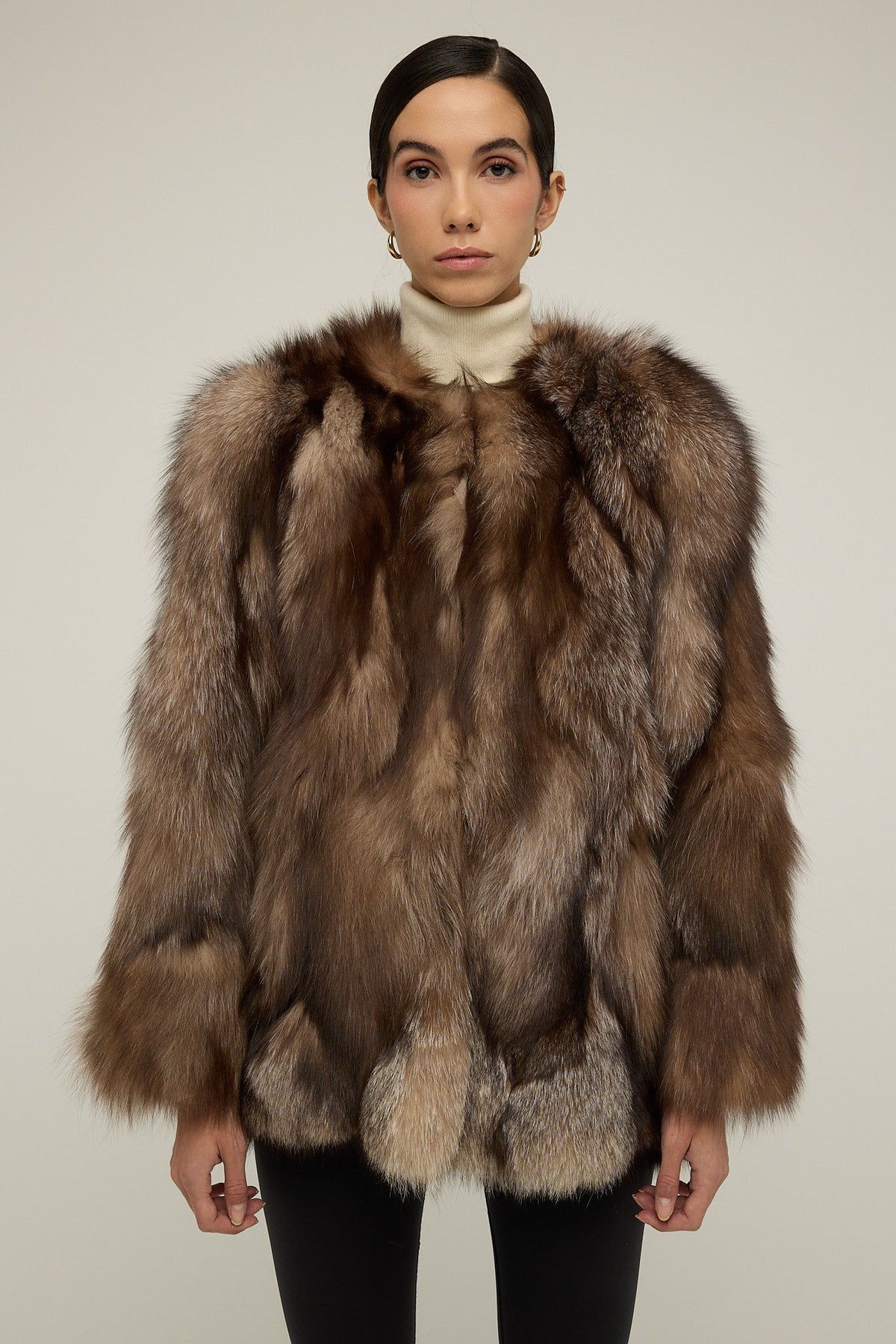
How to properly care for a fur coat
A well-cared-for fur coat can last many years without losing quality. One that is poorly cared for will deteriorate in no time. The difference lies not in the money spent on maintenance, but in knowing five or six basic rules that most owners are unaware of. In this technical guide, we explain exactly how to care for a fur coat so that it becomes a cherished heirloom.
How to care for a fur coat: understand what you are caring for
A natural fur coat has two living components: the leather (the base of every fur piece) and the fur. The leather needs to retain its natural moisture; if it dries out, it cracks. The fur needs to be able to move, not be crushed, and not accumulate dust or chemicals. All the rules for caring for a fur coat stem from these two principles, so always keep them in mind.
1. The hanger: the most underestimated detail
A narrow plastic or metal hanger is the worst enemy of a fur coat. It concentrates the weight on the shoulders and distorts the line of the garment in just a few months. Always use wide, padded wooden hangers, several centimeters thick at the shoulders. If you buy a fur coat of some value, the furrier will usually provide one.
Hang the garment in a spacious wardrobe, without side pressure. If your wardrobe is overcrowded, dedicate an entire section solely to fur garments.
2. The cover: never plastic
Plastic suffocates the fur. Leather needs to breathe, just like a good shoe. Always use a raw cotton or breathable linen cover. Most furriers include one with the purchase; if not, they can be found in specialty stores.
The plastic zippered covers provided by some dry cleaners are acceptable for carrying the garment by hand one day, but never for storing it for more than a week.
3. Summer storage: the critical moment
This is where it is decided whether your coat will last many years or deteriorate quickly. During the warm months, your coat needs:
- A cool, stable temperature (refrigeration, without freezing)
- Controlled relative humidity
- Darkness (UV light fades the fur)
- Moving air (prevents mold)
This cannot be achieved in a home wardrobe. The professional solution is fur cold storage, a service offered by specialty stores seasonally. It is the best money you can spend on your coat. At Nomadi, we offer this service: contact us at info@nomadideluxe.com to reserve a spot in advance.
4. Cleaning: only at a furrier, never at a dry cleaner
This is the most expensive and common mistake when caring for a fur coat. A conventional dry cleaner uses solvents that destroy the leather of the coat. The leather becomes stiff, loses its shine, and develops irreversible cracks.
Professional fur cleaning uses a method called "drumming": the garment is placed in a rotating drum with fine sawdust impregnated with specific products that absorb grease and dirt without touching the leather with liquid. It is a process that takes several hours and must be performed only by a certified furrier. Repeat it periodically during normal use, and more frequently if the coat is worn often or if you live in a polluted city.
5. What to do if it gets wet
Getting wet is not the disaster people think it is, but you must act correctly:
- Shake the garment as soon as you get home to remove excess water.
- Hang it on a wide hanger in a well-ventilated, cool room.
- Never use heat: no hair dryer, no radiator, and no direct sunlight. Heat dries out the leather prematurely and causes it to crack.
- Let it air-dry naturally. Once it is dry, gently shake the fur again to restore its volume and check that no moisture remains in the leather.
Conclusion: caring for a fur coat is a habit, not an expense
Knowing how to care for a fur coat does not require large investments, but consistency: a wide hanger, a breathable cover, cool storage in summer, cleaning only at a furrier, and natural drying if it gets wet. Apply these rules from day one, and your fur coat will retain its shine, drape, and value for many years to come.


