Differences between genuine and synthetic leather
The debate between natural fur and faux fur has intensified in recent years, driven by new brands promising "ethical" alternatives and, at the same time, by a traditional fur industry that has completely modernized its traceability and animal welfare protocols. The reality is more nuanced than the headlines suggest: there are technical, aesthetic, environmental, and durability differences that are worth knowing before making a choice.
What is natural fur and what is faux fur
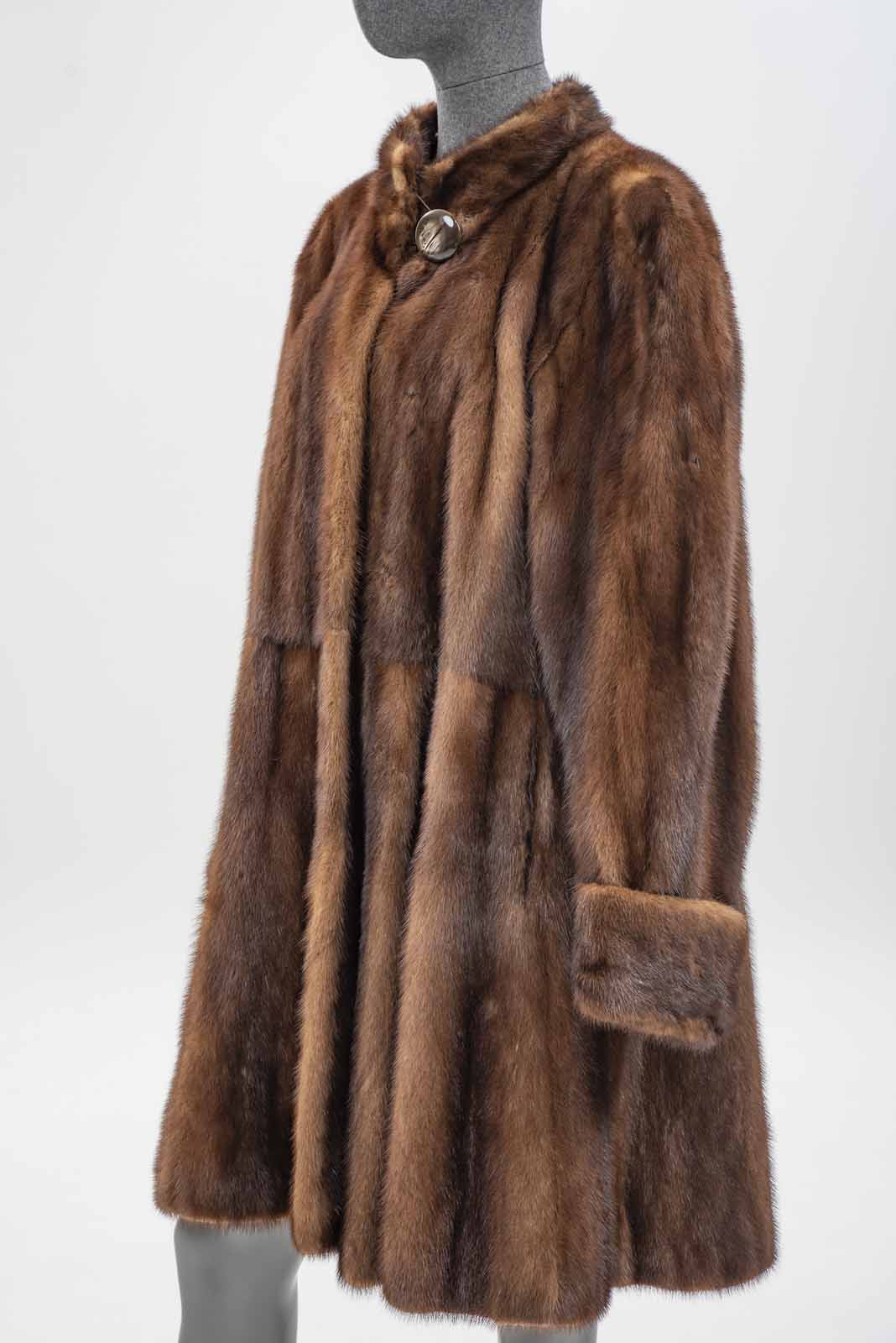
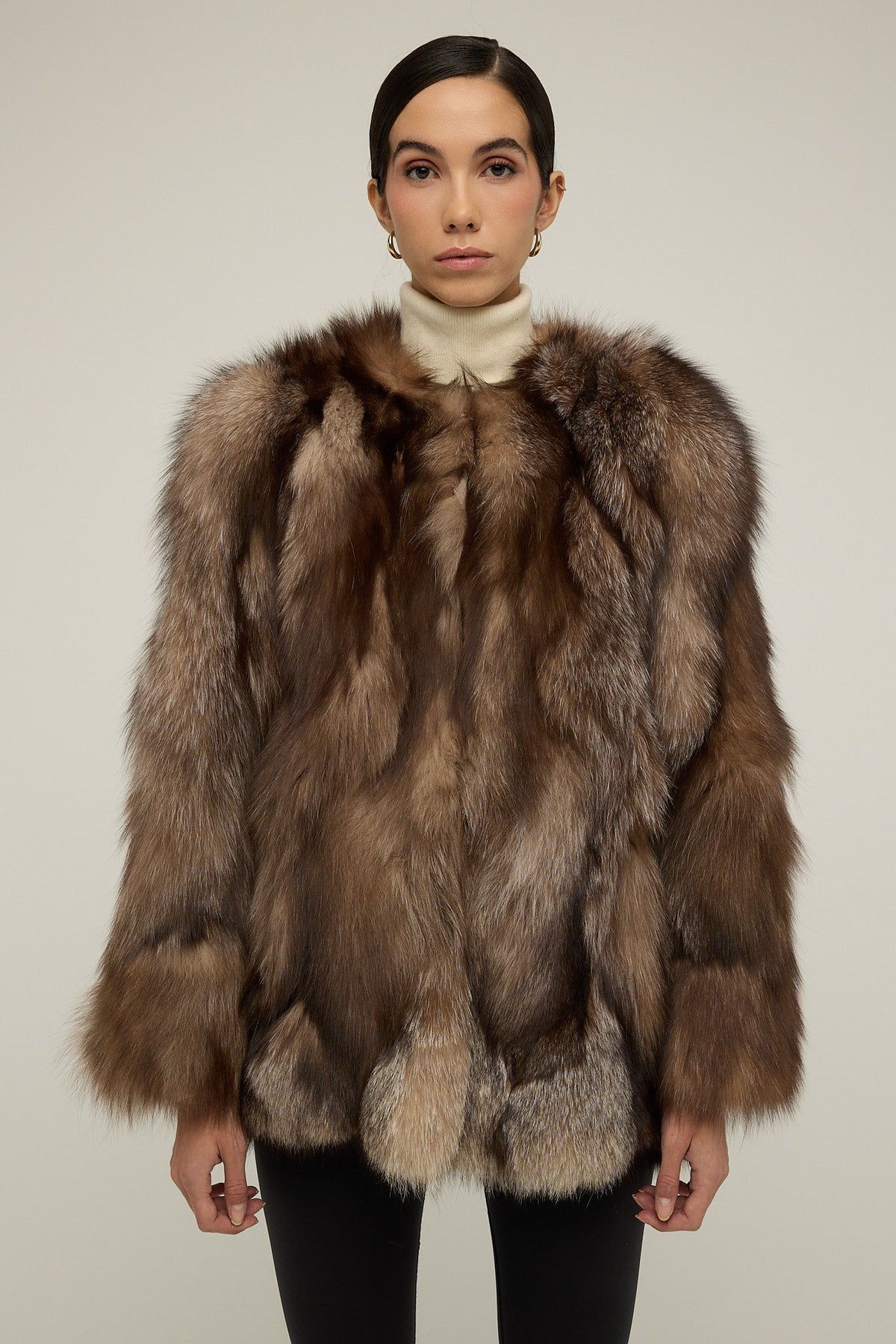
Natural fur (or fur) is made from whole animal pelts with their fur intact, tanned using artisanal processes that can take weeks. The most commonly used species are mink, fox, rabbit, lamb (mouton/shearling), and raccoon. The European industry is regulated by Furmark, which certifies full traceability from farm to finished garment.
Faux fur or "faux fur" is made from acrylic, modacrylic, or polyester fibers that are spun and brushed to imitate the appearance of natural fur. It is industrially produced in a matter of hours on large textile looms, mostly in China.
Visual and tactile differences between natural and faux fur
Although premium faux furs have come a long way, there are three details that give them away to the expert eye:
- Underfur. Natural fur has two layers (guard hairs and underfur). Faux fur is usually single-layered, with hairs that are parallel and of equal length.
- Movement. A quality natural fur garment "flows" when you move, with a lively drape. Faux fur tends to behave like a stiff textile fabric.
- Light reflection. Natural fur reflects light with irregular nuances; faux fur has a more uniform, plastic-like shine.
To the touch, the difference is immediate: natural fur is elastic, slightly warm, and "breathes"; faux fur is colder to the touch and less soft.
Durability: the deciding factor
The gap here is enormous. A well-cared-for natural fur coat (such as mink or fox) lasts between 25 and 50 years. A high-end faux fur coat lasts between 3 and 7 years before it starts to mat or lose its shape. Acrylics and polyesters cannot be repaired: when they wear out, they go to waste.
This has clear economic implications. A €2,000 natural fur coat amortized over 30 years costs €67 per season; a €400 faux fur coat amortized over 5 years costs €80 per season. Furthermore, the investment retains part of its value on the secondhand market, as seen on professional vintage fur platforms.
Environmental impact: a more complex conversation than it seems
The environmental argument is often used in favor of faux fur, but life cycle studies tell a more nuanced story. Faux furs are derived from petroleum, are not biodegradable, and release microplastics when washed. A report by the Ellen MacArthur Foundation on circular fashion documented that between 35% and 60% of microplastics in the ocean come from washing synthetic garments, including faux fur.
Natural fur, for its part, has modernized its protocols. The WelFur seal audits animal welfare on European farms, and the furs are biodegradable at the end of their useful life. It is not a perfect solution, but the "natural is bad, synthetic is good" comparison is a simplification that the sustainable textile industry itself has nuanced in recent years.
When each professional chooses natural or faux fur
The choice between natural and faux fur is rarely ideological for those who know the material: it depends on the use, the budget, and the time horizon. Natural fur makes sense when you are looking for a real winter coat for many winters, a piece that can be repaired, transformed, or resold, and thermal insulation that is difficult to match. Faux fur is better suited for trend pieces, occasional use, or for those who consciously prefer not to use animal products, accepting a shorter lifespan and limited maintenance.
In practice, the deciding factor is usually the honesty of the label: both well-made natural fur and faux fur are legitimate options, as long as the customer knows exactly what they are buying. Before deciding, it is worth checking the composition, origin, and, in the case of natural fur, traceability and animal welfare certifications.
In summary, understanding the differences between natural and faux fur—touch, durability, cost per season, and environmental impact—allows you to choose with discernment rather than following a trend. If you are looking for a durable garment, consider certified natural fur; if you prioritize budget or occasional use, faux fur does the job. In both cases, the key is the quality and transparency of the product.