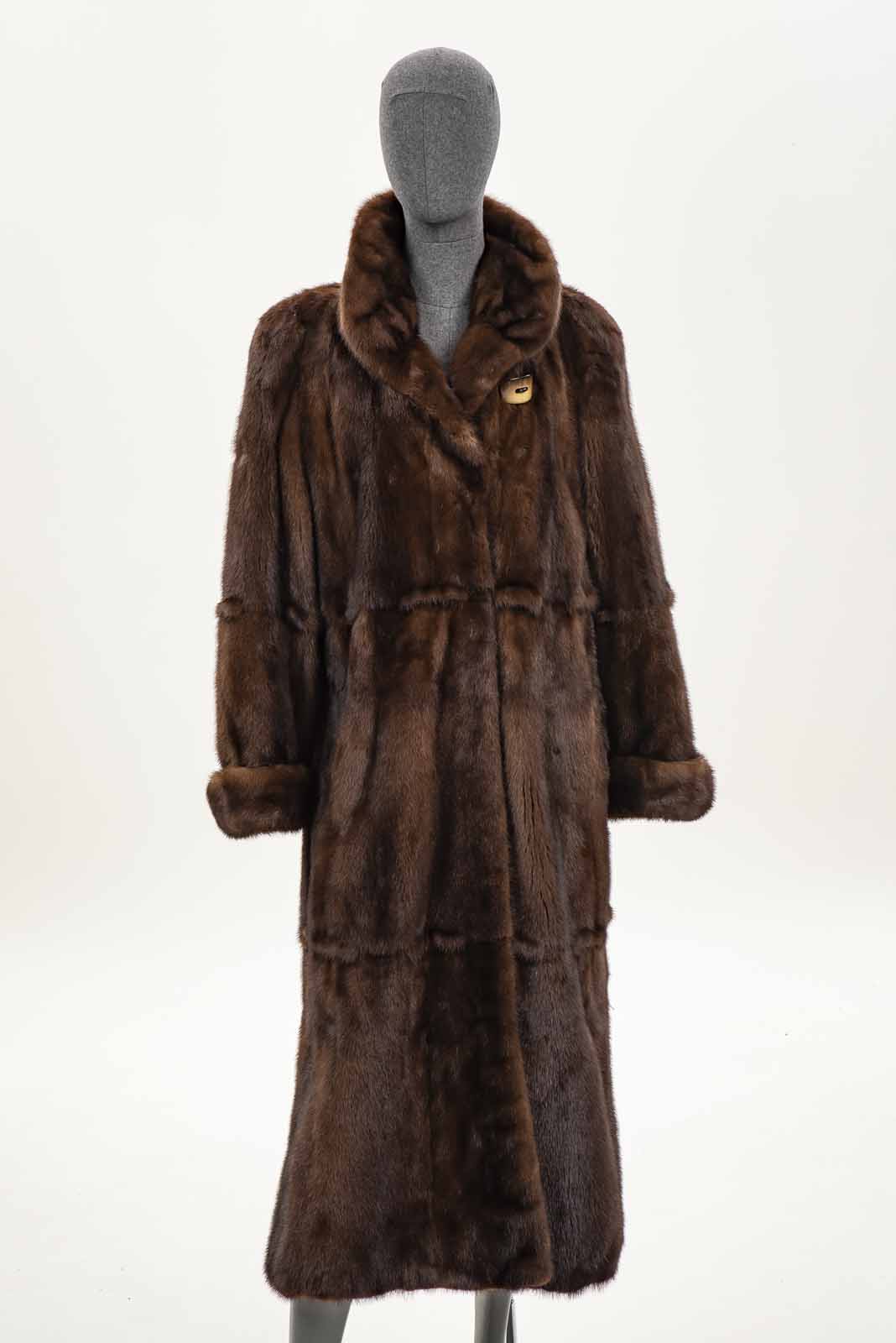
History of the European fur trade: from artisanal craft to contemporary luxury
History of European Furriery: One Thousand Years of Craftsmanship
European furriery is one of the continent's oldest crafts. From medieval workshops in Flanders to 20th-century Parisian ateliers, the history of working with natural fur in Europe is the history of an artisanal know-how that has survived wars, fashions, and industrial revolutions. Understanding it helps explain why a contemporary fur piece remains a cultural object, not just a fashion product.
Origins: Medieval Furriery and Trade Routes
The first documented record of professional furriery in Europe dates back to the 11th century. At that time, cities such as Bruges, Ghent, and Lübeck were home to specialized guilds that imported furs from Russia, Scandinavia, and the Balkans via the Hanseatic League. Mink, sable, ermine, and silver fox were symbols of political power: only the nobility and high clergy could wear them, and laws (known as sumptuary laws) prohibited their use by the bourgeoisie.
Ermine, in particular, became an imperial symbol. For more than six centuries, European coronation robes were lined with ermine, and it still appears in British heraldry and ceremonial dress today. These early guilds laid the foundations of European furriery as a regulated and prestigious craft.
16th to 18th Centuries: From Courtly Luxury to Technical Refinement
During the Renaissance, Italian (Florence, Venice) and French (Paris, Lyon) workshops developed the first advanced tanning and assembly techniques. The concept of "let-out" emerged—the technique of cutting the skin into thin diagonal strips and sewing it back together to slim the garment. This is the same technique used today in premium pieces.
In the 18th century, furriery became partially democratized with the opening of international auctions in Leipzig (the Leipziger Pelzmesse, founded in 1573 and active until the 20th century). There, global benchmark prices were established, and quality grading became professionalized.
19th Century: The Golden Age of the Great Furriers
The Industrial Revolution brought decisive innovations: sewing machines specifically designed for furriery, new chemical tanning methods that replaced artisanal vegetable tanning, and railways that made the logistics of transporting furs from Siberia and North America more affordable.
Paris consolidated its position as the world capital. Houses such as Révillon Frères (founded in 1723) and Fendi (founded in Rome in 1925, already in the 20th century but an heir to this tradition) set the quality standards. Spain also developed a notable tradition, especially in Madrid and Barcelona, where family workshops opened that in many cases remain active today.
20th Century: Democratization and Controversy
The first half of the 20th century saw furriery reach its peak in Europe. The 1920s flapper wore short mink jackets; Hollywood divas and the European aristocracy made fur coats a mass-market object of desire. In 1950, there were more than 200,000 professional furriers working in Western Europe.
The second half of the century brought profound changes. In the 1980s, animal rights movements and the first wave of campaigns against the use of fur emerged. Brands such as Calvin Klein and Stella McCartney led the abandonment of natural fur in mass fashion. But luxury furriery did not disappear: it concentrated in the great maisons (Fendi, Saint Laurent, Loro Piana) and in the specialized ateliers that survived the change.
21st Century: Modernization, Traceability, and Revival
Recent years have been a decisive period for contemporary European furriery. Three changes define today's industry:
- Complete traceability. The Furmark seal requires documenting the origin of every skin from the farm to the final garment.
- Certified animal welfare. Certification programs establish requirements for care, feeding, and handling, with audits aimed at raising standards across the entire chain.
- Sustainability and durability. In contrast to fast fashion, quality furriery advocates for long-lasting, repairable pieces that, in many cases, can be repurposed or transformed.
Understanding the history of European furriery allows us to appreciate each piece for what it truly is: the result of centuries of artisanal craftsmanship, refined technique, and a tradition that today combines cultural heritage with modern criteria of traceability and responsibility.