Types of fur in furriery: mink, fox, chinchilla, rabbit and more
The world of natural fur is populated by a variety of species and qualities that can confuse newcomers. A Baltic mink is not the same as a Chinese mink, nor is a silver fox the same as a crystal fox, nor an Orylag rabbit the same as a common rabbit. This guide is a complete map of the most commonly used furs in European furriery, with their characteristics, estimated prices, and typical uses. It will serve as a reference every time you make a purchase.
Types of fur in furriery: a guide by species
Knowing the types of fur in furriery is the first step toward making an informed choice. Each fur has a different hair length, density, feel, and price, and therefore a different ideal use. Below, we review the most common furs in furriery, ordered from most exclusive to most affordable, so you know what to expect from each before deciding.
Mink: the king of furriery
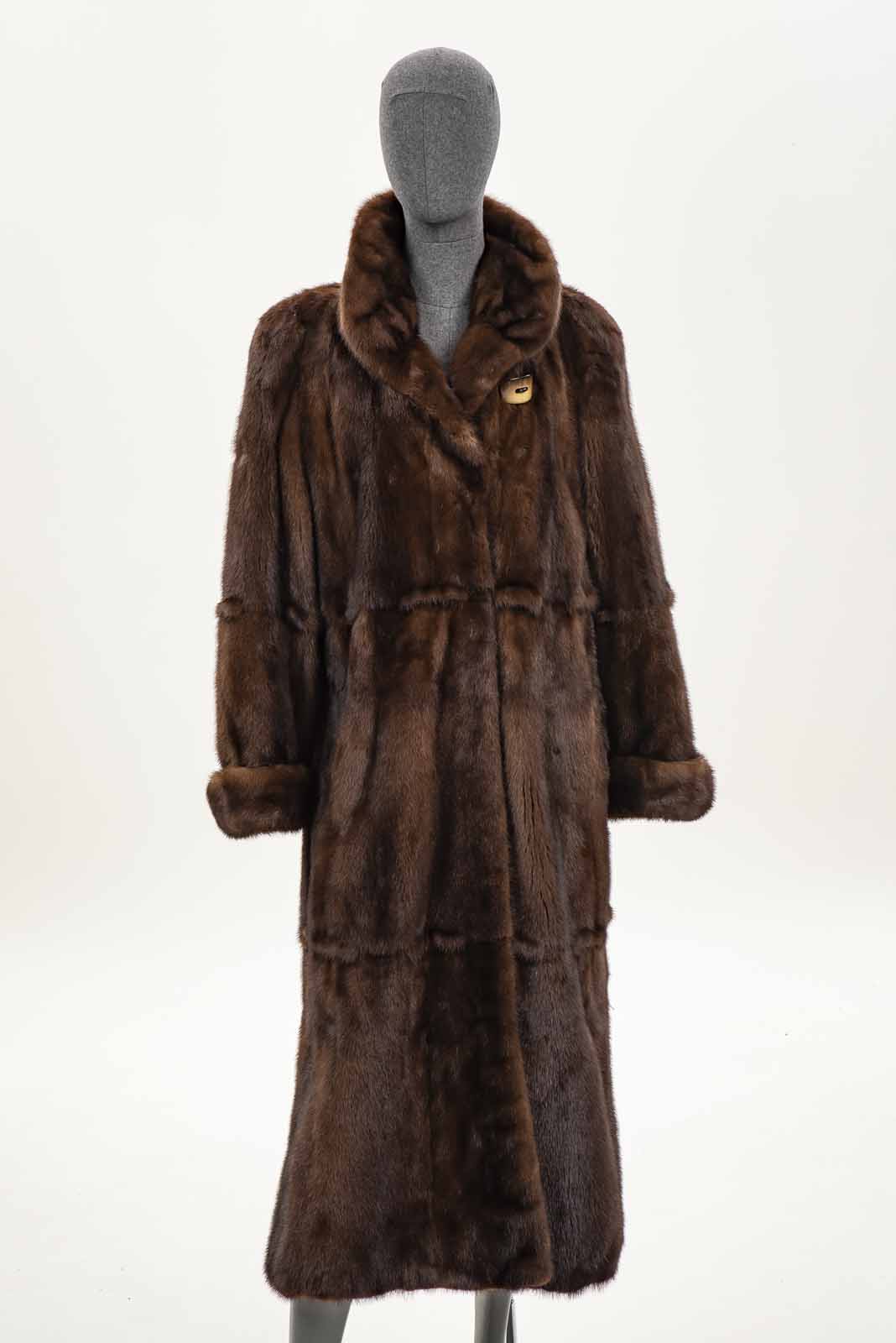
Mink (Neovison vison) has been the most used fur in high-end furriery for a century. Its hair is short (1.5–2.5 cm), shiny, dense, and has an extremely soft undercoat. This combination creates garments that are lightweight, warm, and have an unmistakable feel.
Main origins
- NAFA (North America): traditionally the benchmark for quality, especially in black and mahogany.
- Saga Furs (Finland and the Baltics): the largest certified European producer after the closure of Kopenhagen Fur. Excellent for pearl, sapphire, and palomino.
- China: mass production, with highly variable quality. Only recommended if individually certified.
Price in 2026
Short mink jacket: €800–1,500. Mink coat: €1,500–4,500. Long mink coat: €3,500–12,000. Models such as NDVINT 14 or NDVINT 15 are references in the mid-to-high range for mink.
Fox: presence and volume
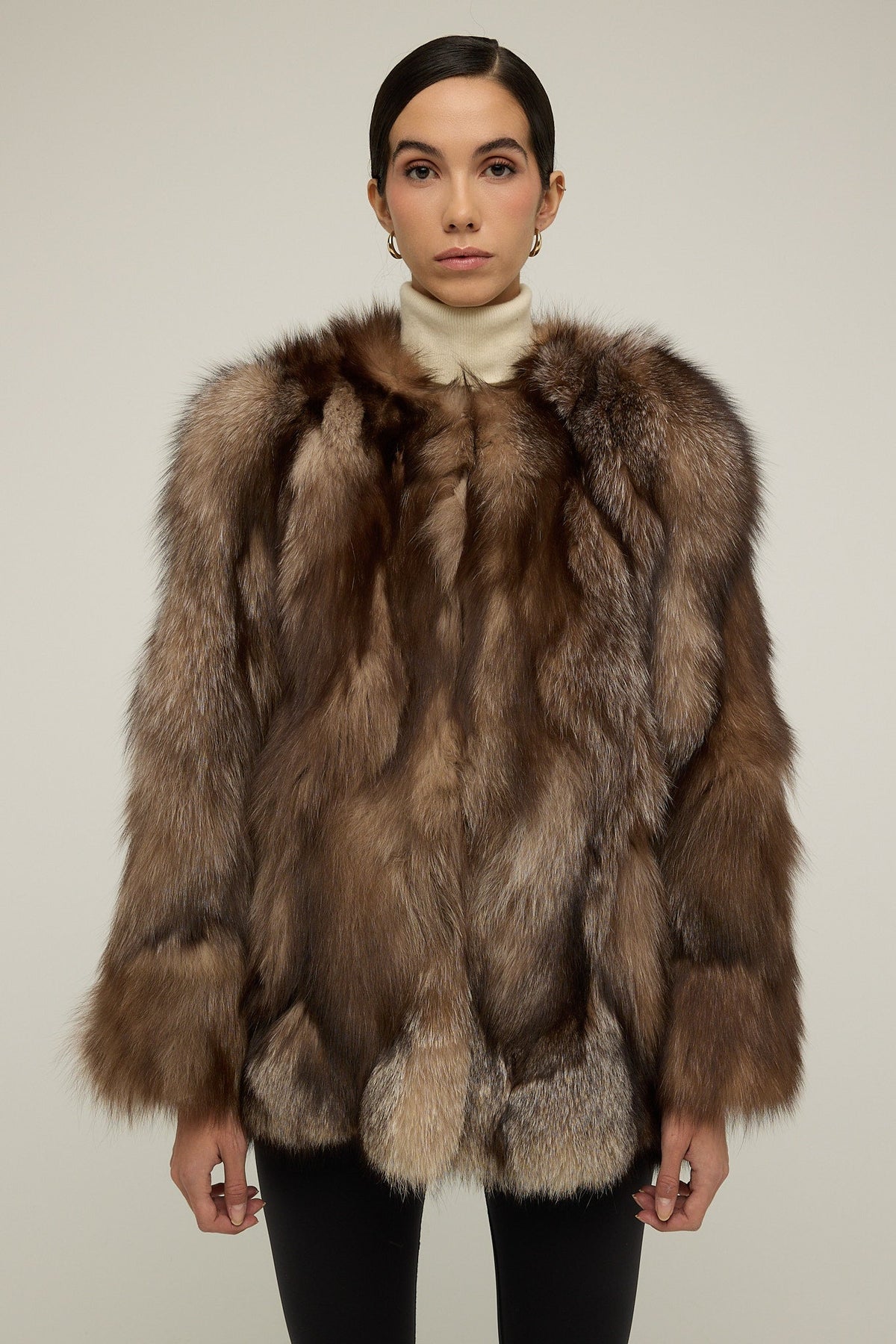
Fox (Vulpes vulpes and varieties) provides what mink does not: long hair (5–12 cm), volume, and a distinctive shine. It is the choice when visual presence is desired.
Commercial varieties
- Natural red fox: warm coppery tone, the classic Scandinavian origin.
- Silver fox: black base with white guard hairs. Highly sought after in high-end furriery.
- Blue fox: gray and bluish tones. A domesticated version of the Arctic fox.
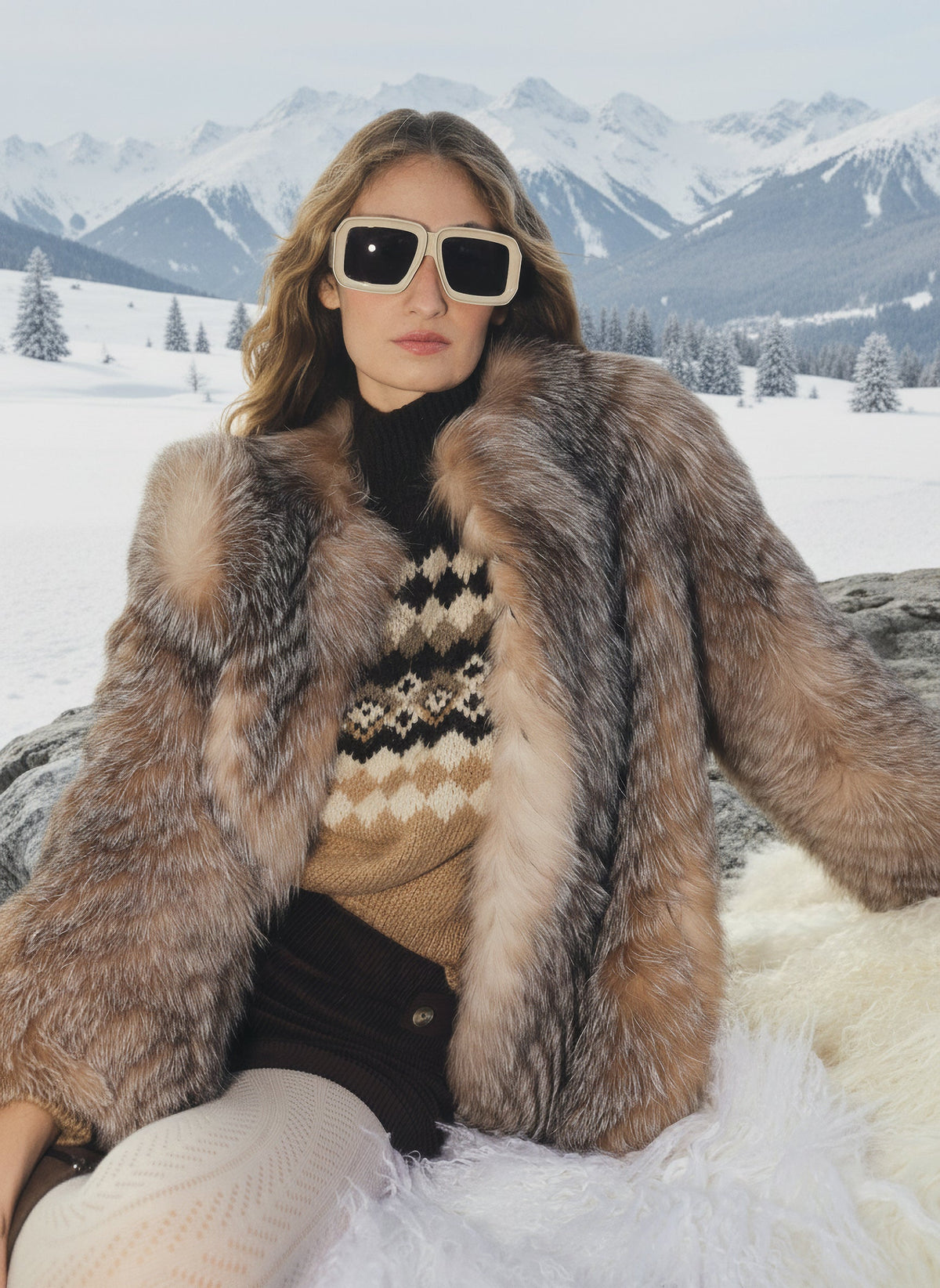
- Crystal fox: white with sparkles. Especially coveted, it is highly present in high-end coats such as the MEGÈVE.
- Shadow fox: cream tones with darker guard hairs. The result of selective breeding.
Price in 2026
Patchwork fox coat: €800–1,500. Whole-skin piece: €1,500–3,500. Long fox coat: €2,500–6,000. The ASPEN (long coat) and the ST. MORITZ (patchwork coat) are references in the mid-range.
Chinchilla: the most exclusive fur
Chinchilla (Chinchilla lanigera, farmed) is the most exclusive furriery. Its hair is the densest in the animal kingdom (50–80 hairs per follicle, compared to 1–2 in humans), and its feel is incomparably soft.
It is also the most fragile: it requires extreme care, cannot withstand moisture, and is not recommended for intensive use. That is why it is reserved for very special pieces (capes, collars, coat linings). Estimated price: €15,000 and up. It is the furriery that is found almost exclusively in haute couture today.
Rabbit: the entry point
Rabbit (Oryctolagus cuniculus) is the most accessible fur in natural furriery. Medium hair (1–3 cm), very soft but less dense than mink. There are two relevant commercial varieties:
- Common rabbit: the basic. Affordable and versatile, ideal for getting started.
- Orylag (Rex) rabbit: French genetic selection with shorter, velvety hair. Superior quality, with a price between common rabbit and patchwork mink.
Other furs commonly used in furriery
In addition to the above, there are other types of fur in furriery that are worth knowing:
- Shearling (lamb): lambskin with its wool, tanned on the grain or nap side. It provides warmth, lightness, and a sporty look; it is a warm and durable option for everyday use.
- Raccoon: long, abundant hair with distinct guard hairs, widely used in collars and hoods for its volume and decorative effect.
How to choose between the different types of fur in furriery
No fur is better than another in absolute terms: the choice depends on the use. For a lightweight and versatile garment for frequent use, mink offers the best balance between feel, warmth, and durability. If you are looking for presence and volume, fox is the benchmark. Chinchilla is reserved for exceptional pieces due to its fragility, while rabbit is the best entry point in terms of price. Understanding these types of fur in furriery will allow you to compare garments with criteria and make the right purchase.