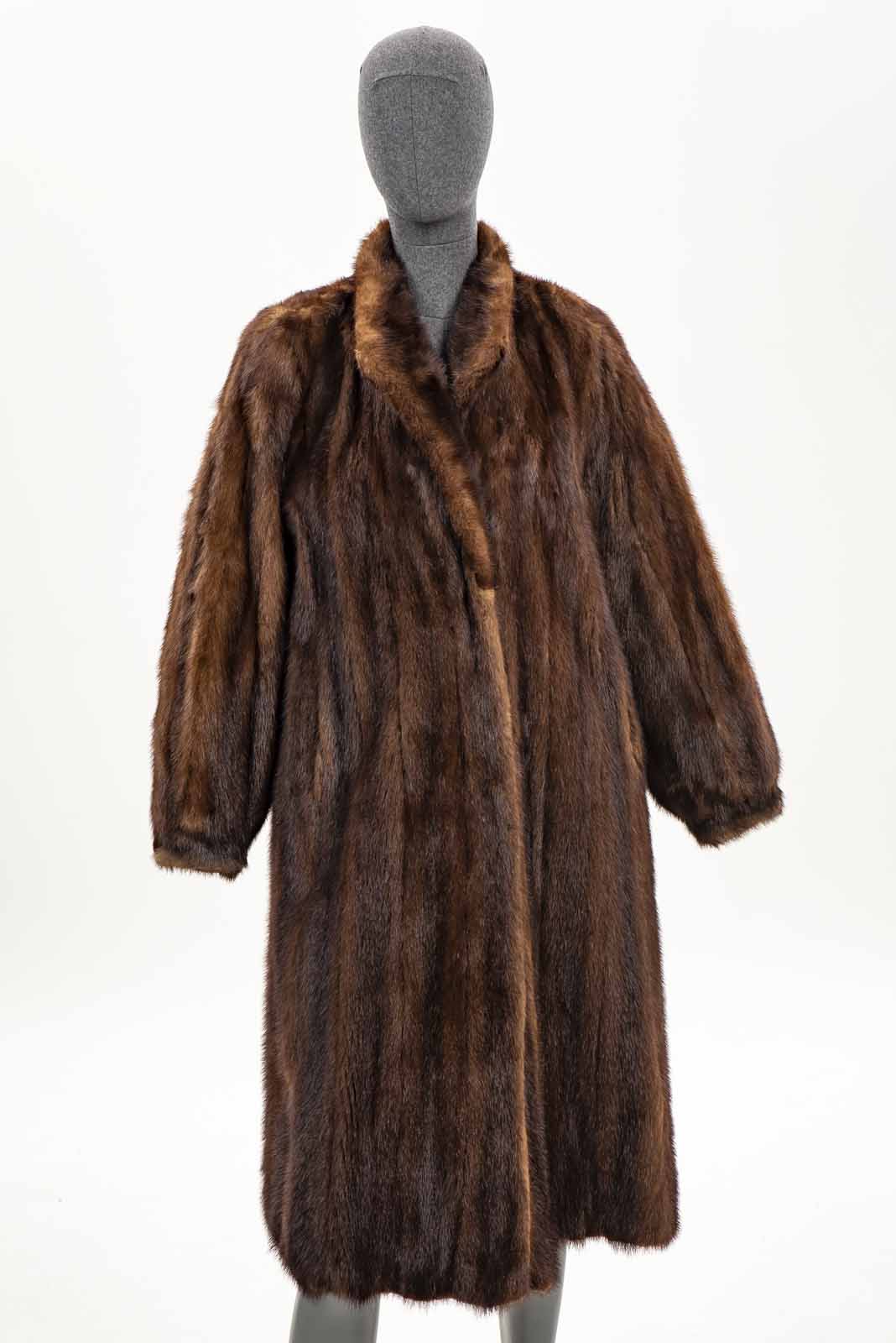
Maintaining a fur coat between seasons: step by step
Maintaining a fur coat between seasons: the transitional routine
Between the end of winter and the start of the next, there is a key moment in the life of your fur coat: the change of seasons. Twice a year, in April/May and September/October, your garment needs a specific maintenance routine. It is not professional cleaning (that is every 2 years), it is not summer storage (that is something else): it is the transitional routine, the 15 minutes that separate a well-preserved garment from one that deteriorates without you realizing it. Good maintenance of a fur coat starts precisely here.
Why this routine exists and why it matters
Your fur coat accumulates dust, ambient humidity, perfume residue, cosmetic product residue, and urban microparticles throughout the winter. If you store it directly at the end of the season without this routine, those residues will "set" during the months of storage and become much harder to remove later. Likewise, taking out the garment in autumn without inspection can surprise you with undetected problems during the summer.
The between-seasons routine is preventive. It saves you deterioration, set stains, and, in the worst case, expensive trips to the furrier. It is also a good opportunity for a visual inspection of the actual condition of your piece.
End-of-season routine (April-May)
When the heat arrives and the coat is no longer worn, dedicate these seven steps to it before storing it. It will take you 15-20 minutes in total.
1. Initial airing (24 hours before)
The day before the routine, hang the coat in a cool and ventilated room (not sunny), outside the usual closet, with a wide hanger. This allows the humidity accumulated during the last use to evaporate before inspection.
2. Thorough visual inspection
With good natural light, check the coat area by area looking for:
- Stains: especially on collars, cuffs, the inside of sleeves, and the chest area (where contact with accessories and cosmetics is greater).
- Clumped fur: areas where the fur has lost movement and liveliness.
- Shedding fur: minimal loss is normal, but if you find visible bald spots, note the area.
- Loose seams: check especially the lining, the edges of the collar, and the armholes.
- Loose buttons: tighten with a gentle movement. If they are loose, it is better to reinforce them now.
3. Soft brushing in the natural direction
With a soft natural bristle brush (specific fur brushes are ideal, but a natural hair one also works), brush the entire coat following the direction of the fur (from shoulders down, from elbows to wrists). Short and soft movements, not aggressive. This airs the fur and removes surface dust.
Never brush against the grain in this routine: that is only for detecting problems, not as a regular gesture.
4. Spot cleaning of detected stains
If during the inspection you found any small stain, never treat it at home with chemicals. For minimal stains:
- Liquid drink stain: absorb with absorbent paper without rubbing, let dry in the air.
- Dust or dry residue: brush the area gently.
- Persistent, oily, or colored stain: refer to a professional furrier. Do not leave it during summer storage.
5. Decision on professional cleaning
It is time to decide if this season it deserves professional cleaning. The general rule:
- If the coat is new and has been worn a few times: it can probably wait another year.
- If the coat reaches 2 years of normal use: professional cleaning now, before summer storage, so that the skin rests clean.
- If it has suffered stains, heavy rain, or a winter of daily use: do not wait, take it to the furrier even if it is not due by the calendar.
A clean stored skin is preserved better than a dirty stored skin: that is the only rule that admits no exceptions.
6. Preparation for storage
Before storing the coat during the summer, make sure it is completely dry and that it rests on a wide and padded hanger that respects the shape of the shoulders. Cover it with a breathable fabric cover (never plastic, which suffocates the skin and promotes humidity) and reserve enough space for it in a cool, dark, and ventilated place, away from radiators and direct light.
7. Note the condition of the garment
Close the routine by leaving a record of what you have detected: areas to watch, the date of the last professional cleaning, and pending repairs. That small note will save you doubts when opening the season and turns the maintenance of a fur coat into an organized and hassle-free habit.
Start-of-season routine (September-October)
When the cold returns and you rescue the coat from its cover, repeat a light version of the routine before wearing it again:
- Air it for 24 hours in a ventilated room so it loses the storage smell.
- Inspect it again: check that the summer has not left marks, humidity, or signs of moths.
- Brush it in the direction of the fur to return its volume and shine.
- Check buttons and seams before the first use, to solve any detail calmly.
With this double check, your garment arrives at every winter as if it were brand new.
Conclusion: a 15-minute habit that extends the life of your coat
The maintenance of a fur coat between seasons does not require technical knowledge or special products: only consistency twice a year. The closing routine protects the skin during the summer and the opening routine prepares it for the cold. By investing barely a quarter of an hour in each change of season, you avoid set stains, silent deterioration, and expensive repairs, and you preserve a fur piece that can accompany you for decades in perfect condition.