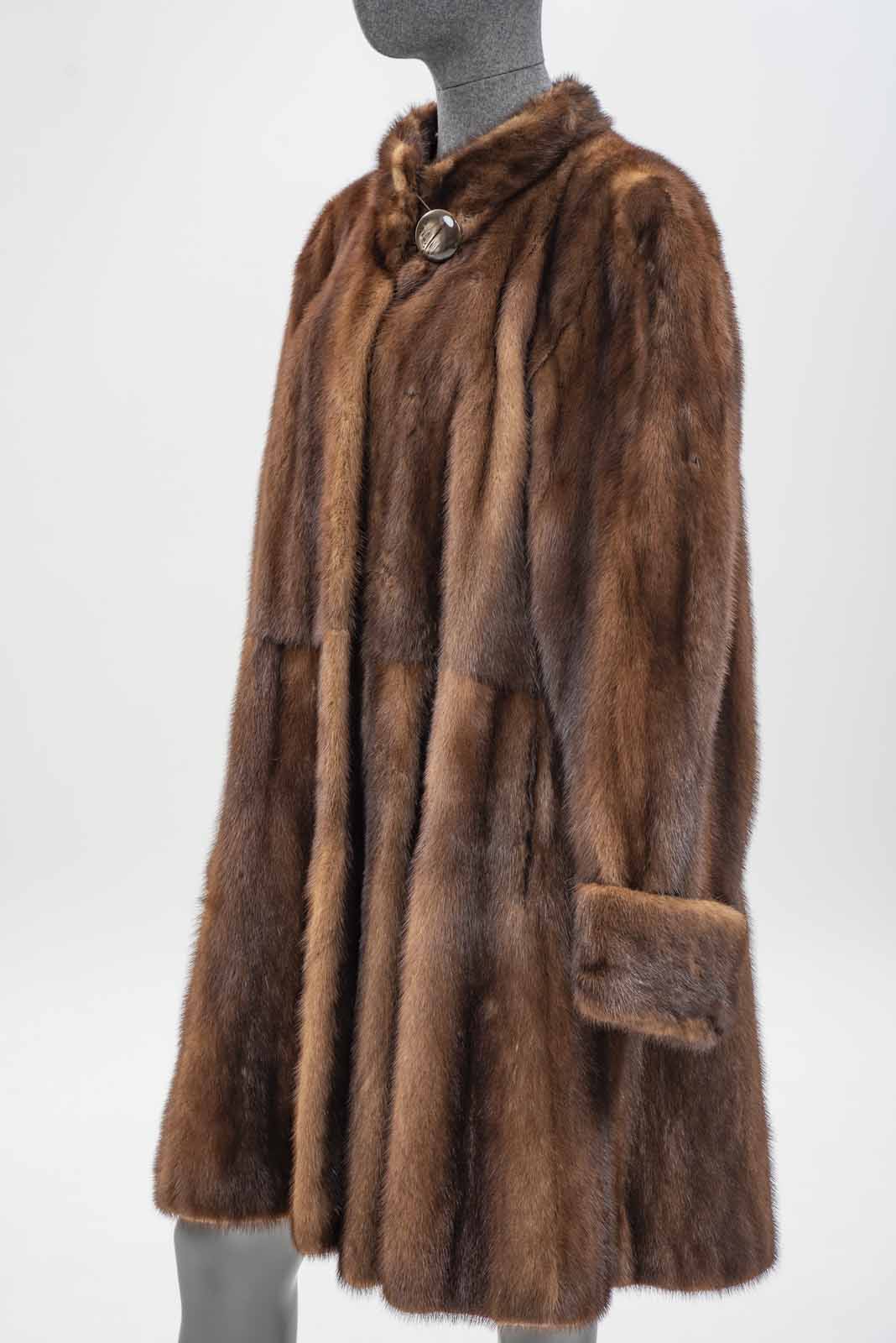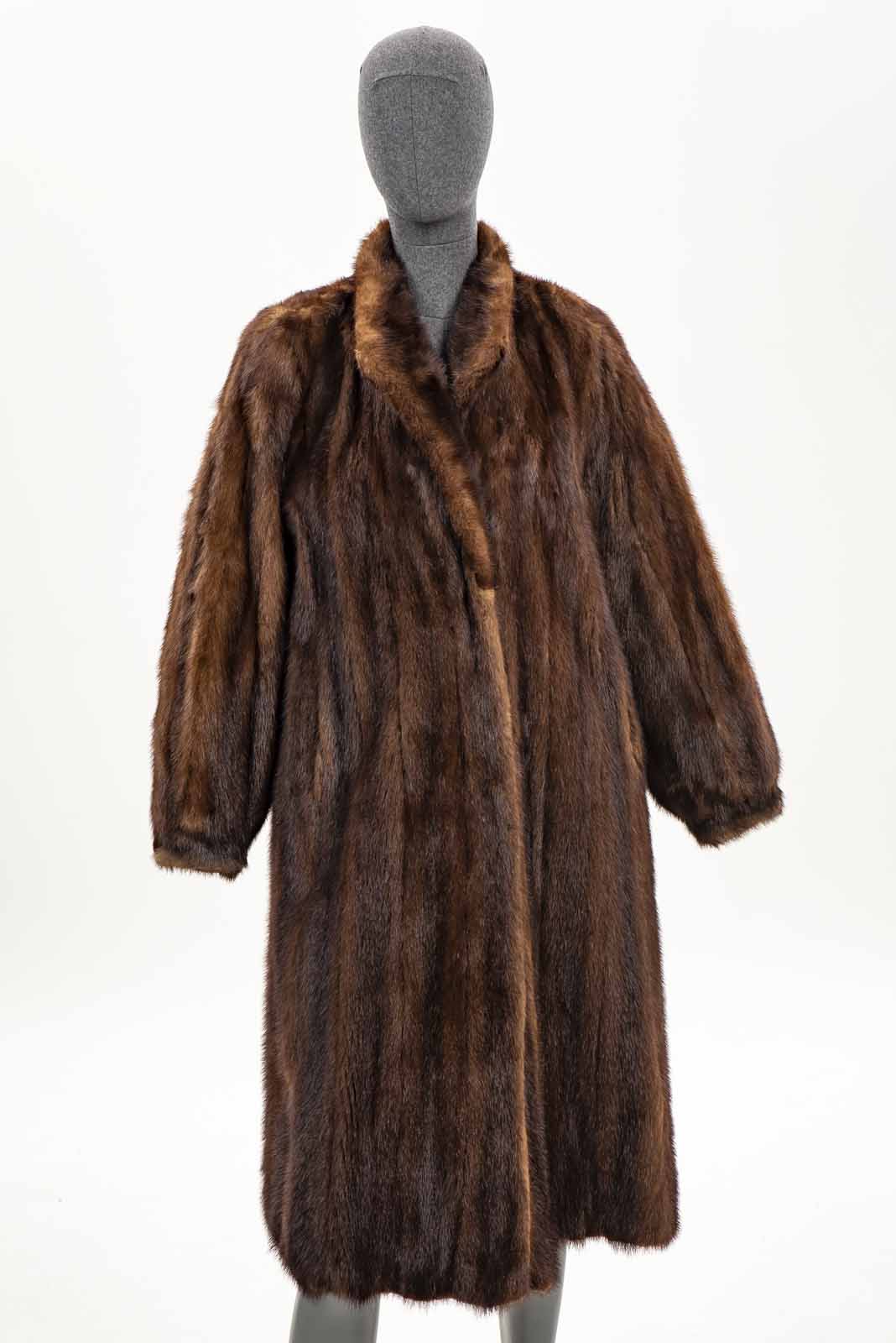
Best time of year to buy a fur coat
There is one question that savvy customers always ask before investing in fur: when is the best time of year to buy a fur coat. The answer surprises those who think it is best to buy when the cold weather arrives. The reality of the market is quite the opposite: the months with the best value for money are far from winter. This guide explains the complete smart-buying calendar and when you will find the best prices without sacrificing quality.
The logic of the cycle: why dates matter
The fur industry follows a very distinct annual cycle. Major international auctions are held between February and May. Workshops make the new collections from June to September. Stores receive stock between September and November. The intensive sales season runs from October to February. And from March, furriers need to clear stock for the following year.
This cycle translates into very different pricing opportunities depending on the time of year you buy. Understanding the calendar is the key to getting it right.
March and April: the absolute best time
If I had to choose a single period of the year to buy fur intelligently, it would be March and April. Three reasons:
- Furriers clear stock from the season that is ending. Pieces that did not sell during the main winter season go on significant sale (-30% to -50% on pieces in perfect condition).
- The selection is still extensive. Many sizes and models are still available, unlike the late June sales where only what no one wanted remains.
- You have time for summer care. You buy in April and can still access professional cold storage, initial cleaning, and custom adjustments before summer.
Professional furriers schedule outlet collections during this window. If there is a specific model that interested you at full price in February, look again in March: it will probably be discounted. At Nomadi, we usually release a selection of end-of-season items between March and April, keeping an eye on the featured collection.
May to July: the vintage window
Once the active season ends, furriers reorient their inventory. It is the perfect time to buy vintage fur: second-hand platforms receive pieces from customers who are clearing out their closets for the seasonal change, and prices are reasonable because there is no immediate demand.
If you have never had fur and want to start with a professionally quality vintage piece, May-July is a good time. Check the Nomadi Vintage collection during these months: the selection is updated frequently and prices are the lowest of the year.
Limitation: since you just bought in summer, you won't be able to "debut" it until October. But you have time for initial professional storage and all the necessary adjustments.
August: the dead month
Probably the worst time to look for new fur. Furriers are on vacation, the new collections have not yet arrived, and the available stock is the remnant of the April clearance. If you find something, it is probably because no one wanted it in March. Skip this month unless a very specific opportunity appears.
September and the first half of October: pre-collection at a fair price
The new collections for the upcoming winter begin to arrive. Prices are "original" (not discounted, but also not inflated like in the peak months). It is the right time if:
- You are looking for a very specific piece and do not want to risk it selling out
- You want to access exclusive pieces from the new season
- You prefer to choose from the complete collection before sizes and models are scattered
It is the safest option when you know exactly what you want and availability outweighs the discount.
November to February: the peak season (and why you pay more)
These are the months of maximum demand. The cold arrives, the desire to buy increases, and with it, prices. Christmas campaigns concentrate the most expensive of the year: although you see eye-catching promotions, the starting point is usually higher than in September. If your priority is price, avoid buying a fur coat right in the middle of Christmas and save that decision for the March-April window.
Buying at the peak only pays off if you need the piece now, for a specific occasion, or if a unique model appears that you do not expect to find again.
Conclusion: when is the best time to buy a fur coat
Summarizing the calendar: for the best value for money on new pieces, March and April are the ideal window, with stock still extensive and real end-of-season discounts. If you are looking to enter the world of fur with a well-maintained vintage piece, from May to July you will find the lowest prices of the year. September and early October are the safe bet when the availability of a specific model matters more to you than the discount. And it is best to avoid August (the dead month) and the peak season from November to February, except for a specific need. With this calendar in mind, buying a fur coat stops being an impulsive winter purchase and becomes a smart, well-planned investment throughout the year.