Fur Sustainability: The Real Debate, Backed by Data
The sustainability of the fur industry is probably the most controversial and poorly informed topic in contemporary fashion. Opinions are polarized, data is scarce in public debates, and each side manipulates the other to defend its position. This guide provides what rarely appears in discussions: concrete data, honest comparisons, and the real arguments from each side. Not to convince you, but so you can make your decision with complete information.
The sustainability of the fur industry: what science says about durability
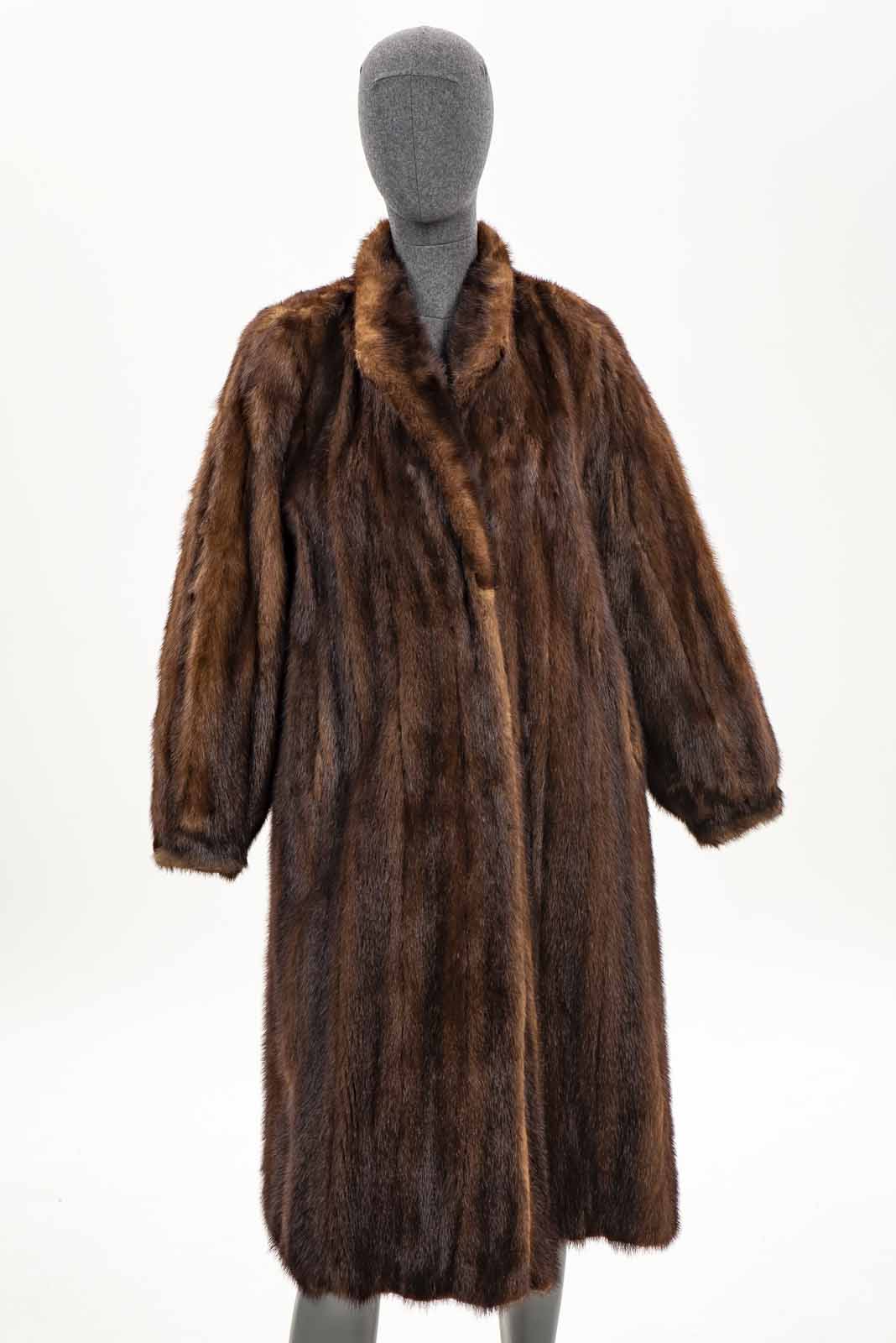
We start with an indisputable fact. A well-cared-for natural fur coat lasts between 25 and 50 years. A faux fur coat (polyester, acrylic) lasts between 5 and 10 years before visibly degrading. A high-end technical down jacket lasts between 8 and 15 years. This difference in durability is the first factor in any serious environmental analysis of the sustainability of the fur industry.
The Ellen MacArthur Foundation has repeatedly documented that the most determining factor in the environmental impact of textiles is how many years the garment is used. A coat that lasts 40 years has a much lower annualized footprint than four consecutive synthetic coats of the same price.
The argument against the fur industry: animal welfare
The main argument against the fur industry is not environmental but ethical: breeding animals for their fur raises legitimate and serious animal welfare issues. It is a moral debate that each person must resolve on their own, and this article does not intend to close it.
What can be provided is data on the current state of the European sector:
- 90% of European mink farms and practically 100% of fox farms are certified by the WelFur program, with independent audits three times a year.
- The closure of the Danish sector (2020-2023) eliminated the largest European production capacity, redirecting production to Finland and the Baltics.
- European regulations are the strictest in the world regarding breeding conditions: minimum distances, environmental enrichment, mandatory veterinary supervision.
- Spain, the United Kingdom, Austria, and other countries have banned animal breeding for fur in their territories. Italy maintains regulated production.
The ethical debate is legitimate and reasonable. What changes with information is who you want to fund: regulated European production, production without auditing, the second-hand market (which does not generate new demand), or completely exiting consumption.
The environmental argument: comparison of footprints and the sustainability of the fur industry
This is where the data changes expectations the most. The carbon footprint of natural fur is objectively lower than that of synthetic alternatives if the full life cycle and durability are considered. Three facts:
Microplastics
Synthetic furs (polyester, acrylic) release microplastics with every wash and at the end of their useful life. An 8-year synthetic coat releases the equivalent of 80,000 microplastic fibers during its use. Natural fur biodegrades completely at the end of its life cycle without plastic waste.
Origin of the material
Polyester and acrylic are made from petroleum. Each kilogram of synthetic fiber requires approximately 1.5 kg of crude oil. Natural fur is a byproduct of animal breeding (in many cases, such as rabbits, it is a byproduct of the European food industry).
Biodegradability
A well-tanned natural fur biodegrades in industrial composting in 12-18 months. A synthetic coat takes 200-400 years to completely degrade, and while doing so, it releases microplastics into the environment. It is the difference between a material that returns to the natural cycle and another that remains as waste for generations.
Conclusion: an informed decision about the sustainability of the fur industry
There is no single answer or perfect option. The sustainability of the fur industry is not resolved with a slogan, but by crossing three variables: the actual durability of the garment, the environmental impact throughout its entire life cycle, and the ethical debate about animal welfare, which each person weighs differently. What does become clear with the data in hand is that comparing materials only by their origin, without taking into account how many years they are used or what they leave at the end of their life, leads to misleading conclusions. Decide with complete information: prioritize durability, know the origin of what you buy, and consider alternatives such as the second-hand market. That is the only honest way to approach the sustainability of the fur industry.