Advantages of buying second-hand fur coats
The second-hand fur coat market is experiencing the greatest growth in its history. What for decades was the territory of collectors and highly informed buyers has become one of the most in-demand circular fashion categories in Europe. And for good reason: the advantages are so numerous and clear that it is worth understanding them before buying your next coat, whether it is your first or your fifth.
Why buy second-hand fur coats today
Buying second-hand fur coats is no longer a niche decision, but an informed choice that combines economic value, quality craftsmanship, and more responsible consumption. Below we review the five main advantages that explain this boom and, at the end, the keys to buying vintage fur without making a mistake.
1. Real savings of between 40% and 70%
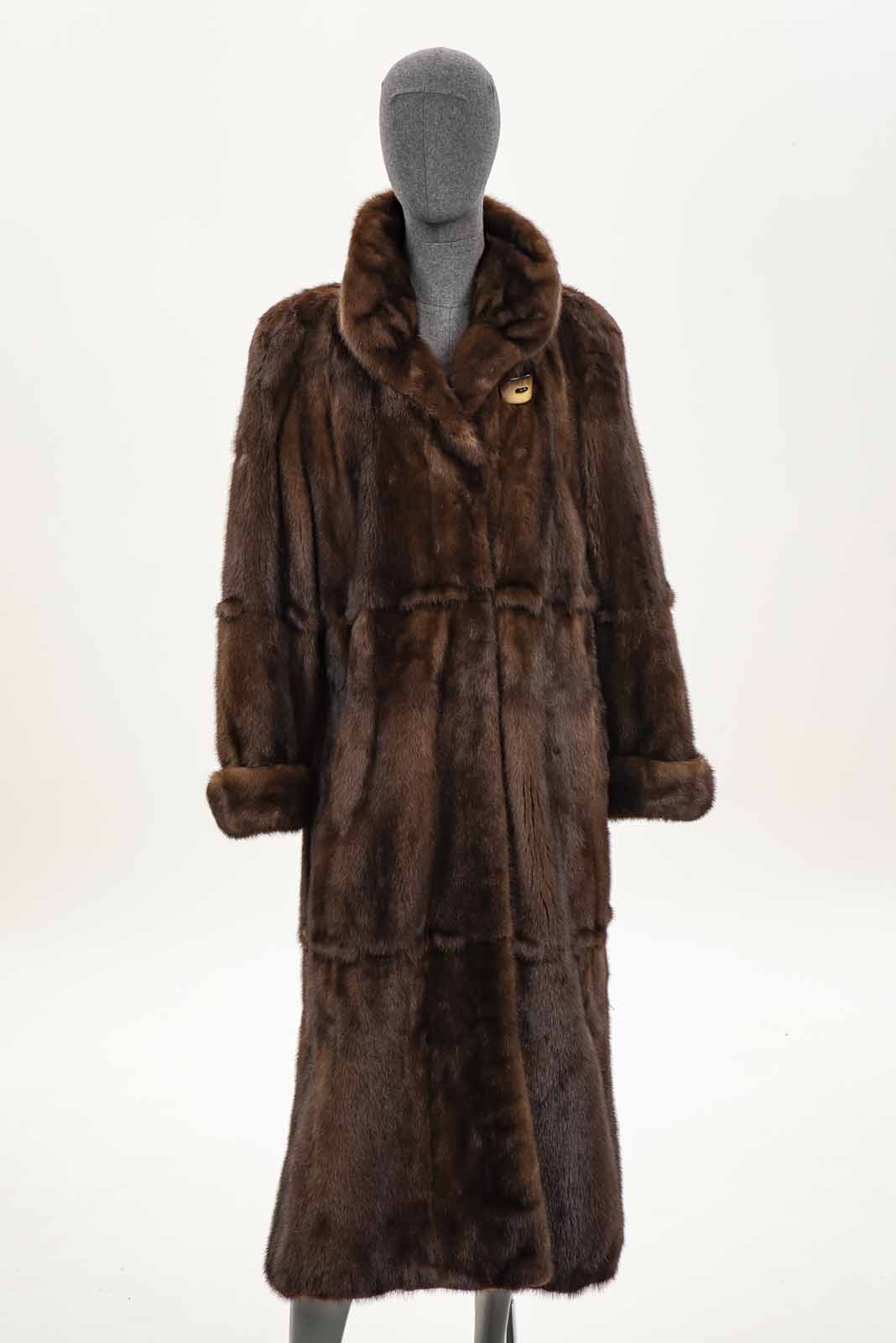
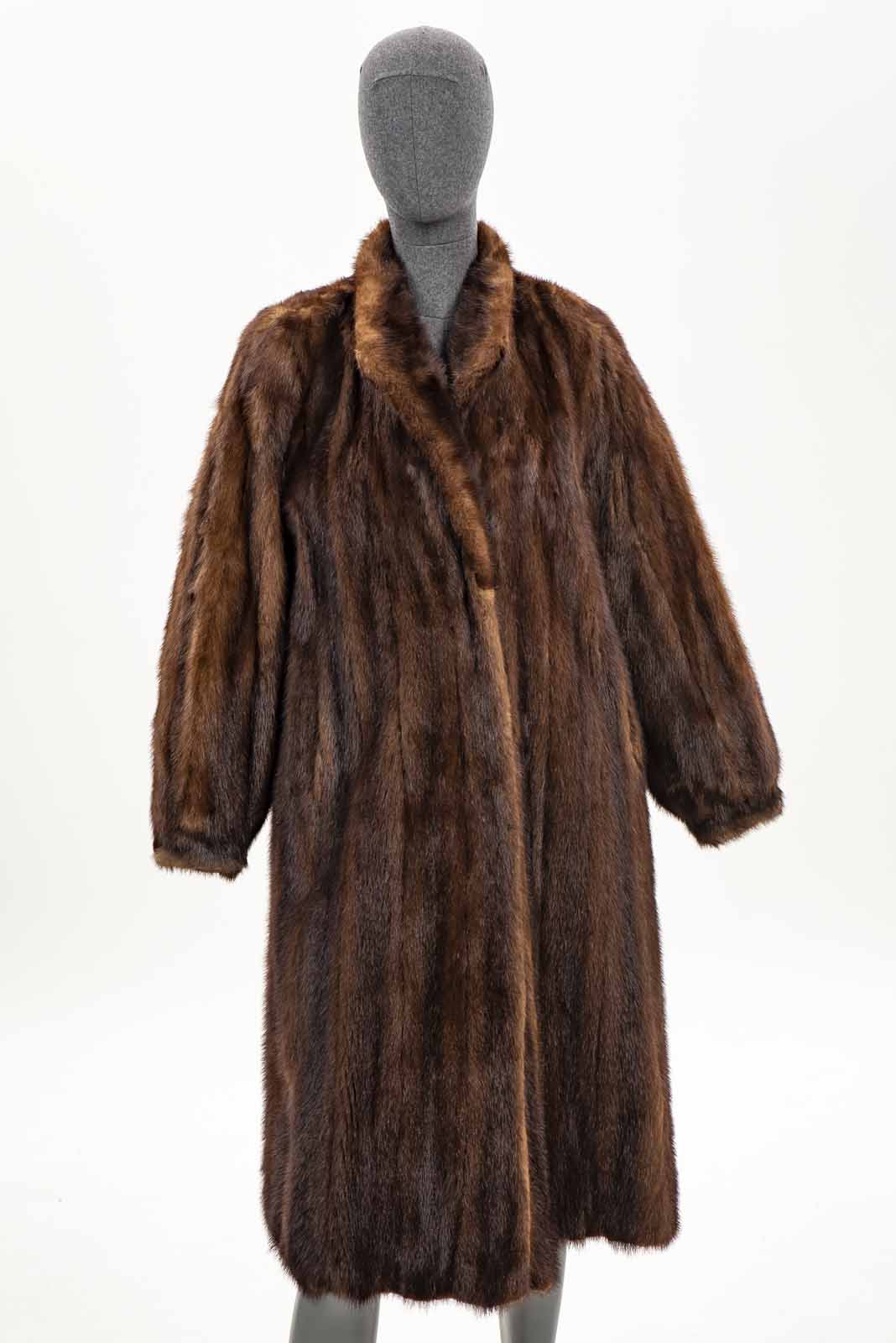
We start with the most obvious argument. A mink coat that cost €6,000 new in 2010 can be bought today for between €1,800 and €3,000 in perfect condition. A €2,500 fox coat from 15 years ago can be found for between €700 and €1,200. The difference does not reflect a loss of quality: it reflects the natural cycle of the market.
The important thing is to understand that savings do not imply inferior quality. European furs worked in the 80s, 90s, and 2000s had, in many cases, a higher average quality than today's due to stricter selection standards at the major auctions of the time.
2. Access to qualities that are no longer manufactured
Some types of fur and tailoring techniques are today harder to find at a reasonable price:
- Grade I mahogany mink from 90s Scandinavian auctions
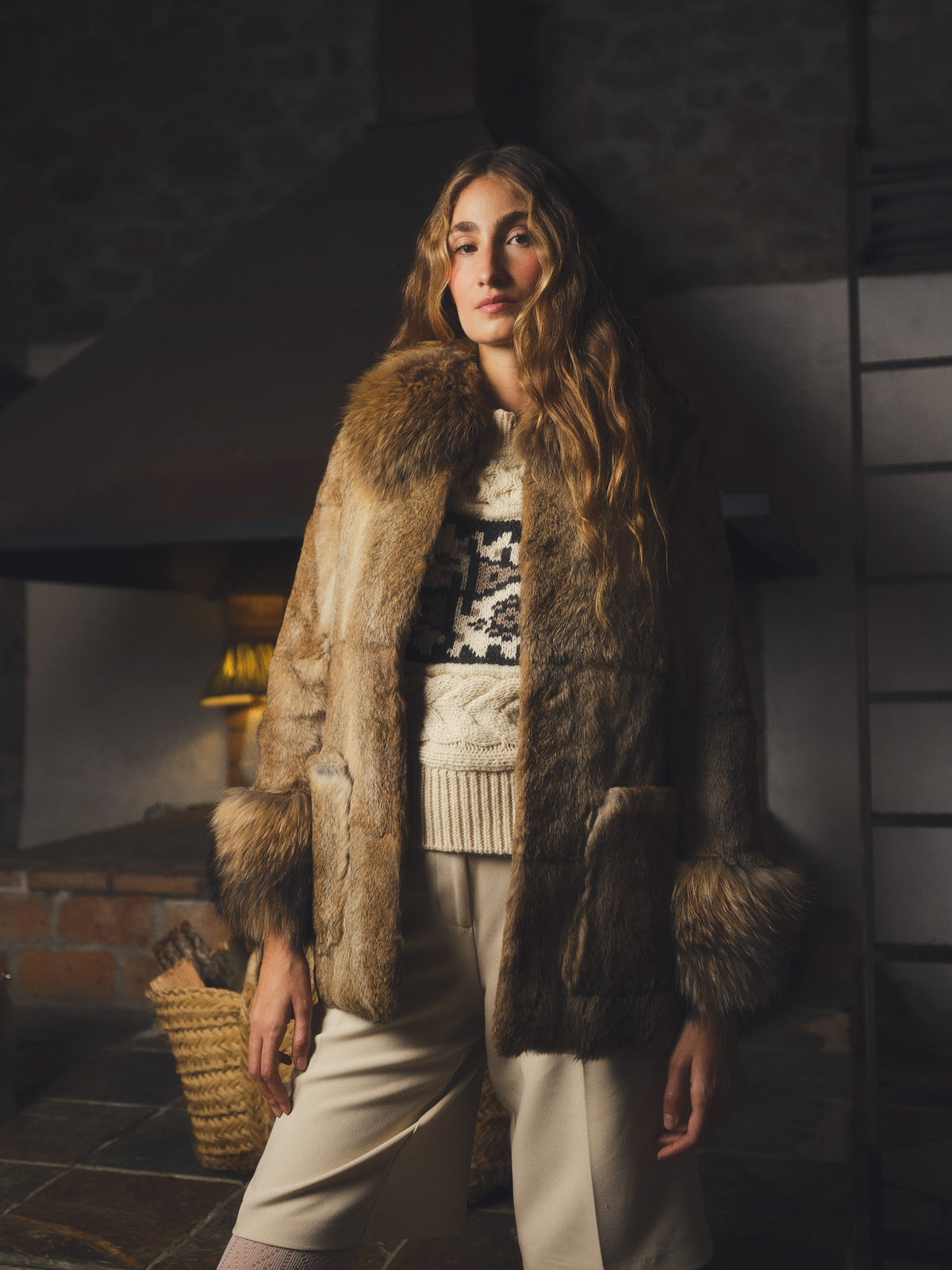
- Natural silver fox without chemical treatments
- Authentic Astrakhan (karakul lamb) of Central Asian origin
- Furs worked in whole pieces with artisanal techniques that are less common today
The vintage market is, today, almost the only way to access these qualities without paying stratospheric prices at a contemporary maison. The Nomadi Vintage collection specifically selects pieces that exemplify this historical quality.
3. Well-constructed sustainability argument
Buying vintage fur is the most circular way to consume luxury fashion. The piece already exists: no new fur is produced, no new tanning process is generated, no new raw material is consumed. It is the exact definition of circular economy applied to the wardrobe.
Compared to buying new synthetic garments every 5 years, the amortized environmental impact is much lower. A vintage mink garment bought today can add another 20-30 years of use. It is an option that fits with the principles of circular fashion that organizations like the Ellen MacArthur Foundation promote to reduce the impact of the textile sector.
4. Unique pieces with personality
When you buy new fur, you join a collection. When you buy vintage, you access unique pieces: discontinued models, special editions, atelier garments that no longer operate. For women who value not wearing the same as 500 other people, vintage is the natural answer.
Furthermore, vintage garments tell a story. A piece from the 80s worked in Madrid or Milan has a cultural and craftsmanship component that current industrial garments cannot replicate.
5. Stable resale value
Curiously, a vintage garment usually has better price stability than a new one. When you buy new, it loses 40-50% of its value in the first year (like a car). When you buy vintage, the price is already "settled" in the market: if you take good care of it, you can resell it in 5-10 years for a price similar to what you paid, adjusted for inflation.
This makes quality vintage fur one of the few wardrobe investments that approach the concept of "immobilized but recoverable capital".
The keys to buying vintage without making a mistake
Vintage has risks if bought poorly. These are the six points worth checking before paying for second-hand fur coats:
- Condition of the leather (the skin side): it must remain flexible. Dry leather or leather that cracks when folded is the main warning sign.
- Density and fall of the fur: check that the fur is thick, without bald spots, without matted areas or visible losses.
- Seams and interior: check the joints, the lining, and the points of greatest tension (shoulders, armholes, and pockets).
- Odor: a neutral odor indicates good preservation; a strong smell of dampness can reveal poor storage.
- Type of fur and origin: ask for information about the piece to understand what you are buying and assess its real quality.
- Provenance and seller traceability: buy from professionals who select and inspect each garment before putting it up for sale.
Once these points are verified, buying second-hand fur coats stops being a risk and becomes what it really is: one of the smartest decisions you can make in luxury fashion, in terms of value, quality, and sustainability.